48. Zaanse Schans (Zaandam, The Netherlands)
30 September 2025
I’m pretty sure Brian’s only visit to the Netherlands was on one of those country-hopping KonTiki type tours – Amsterdam, a couple of windmills, a walk through a cheese factory and that was it. Mine was even briefer… when Dan and I spent 24 hours there in 2009 we poked around the streets and spent a bit of time enjoying the buskers in Dam Square, but what really made it was a visit to The Torture Museum. We loved the whole Amsterdam vibe but, for us, that bizarre history of creative pain devices was the compelling highlight.
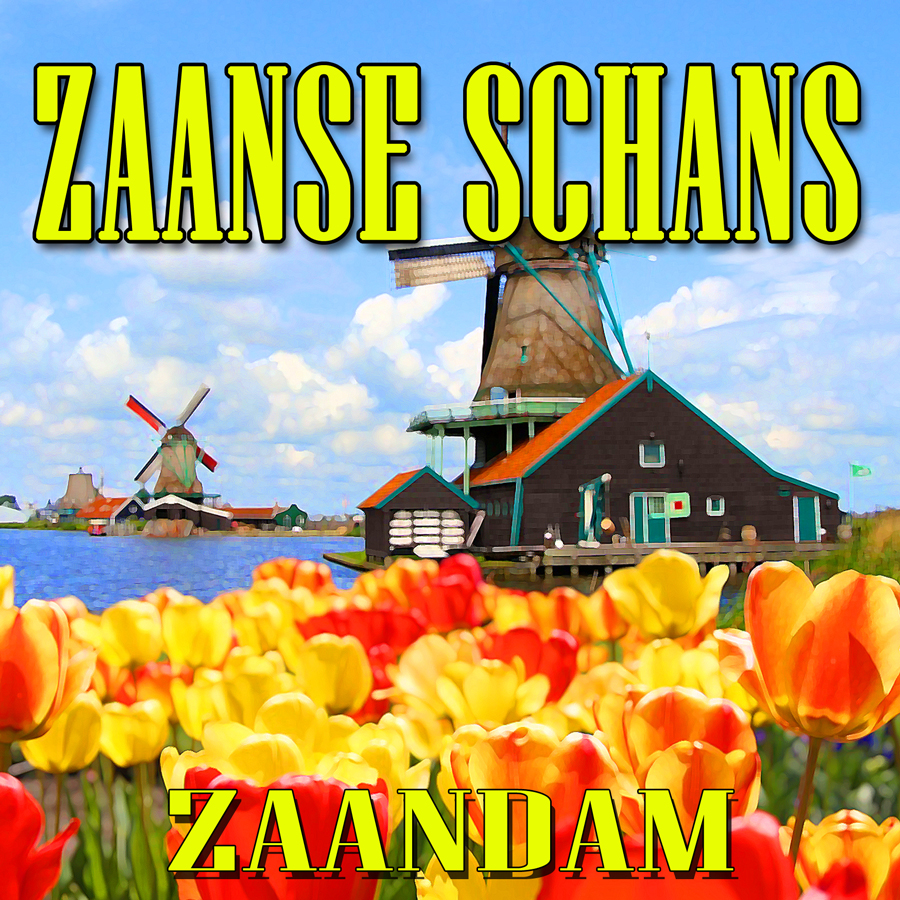
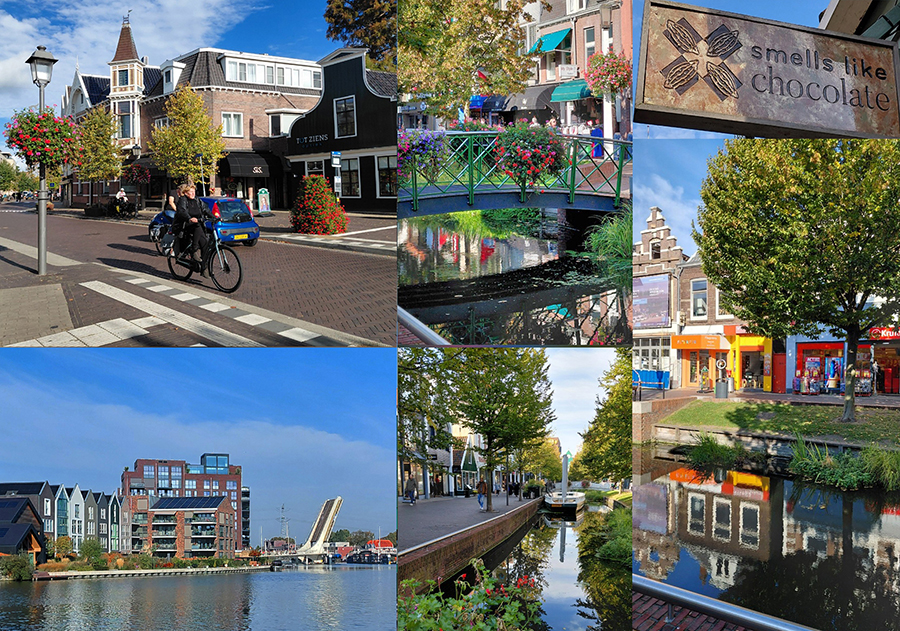
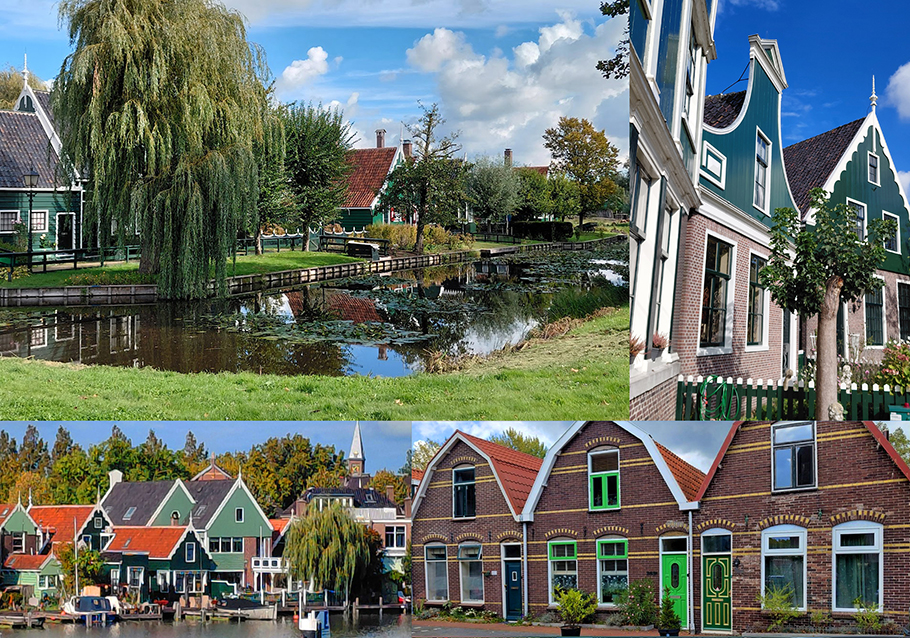
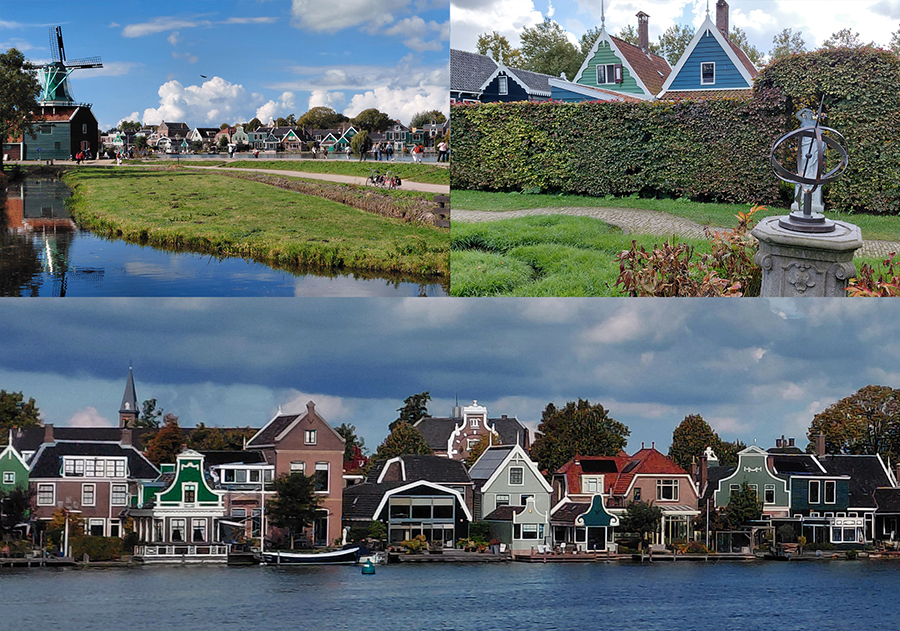
This time I wanted more than a blink-and-you’ll-miss-it experience and booked an Airbnb room outside the capital, at Zaandam. The area is known for its distinctive wooden houses in various shades of green, especially in its Zaanse Schans neighbourhood. My room overlooked the Zaan River and I walked many kilometres each day exploring the waterside alleys and towpaths… and just in case there wasn’t enough colour in those vibrant shops and galleries and cafés, baskets of riotous petunias and fuchsia hung from many of the streetlamps and balconies and bridge rails. All this and the persistent aroma of chocolate, so intense in places, An intoxicating reminder that the region is a centuries-old global hub – second only to the Côte d’Ivoire and Ghana – for the cocoa processing industry.
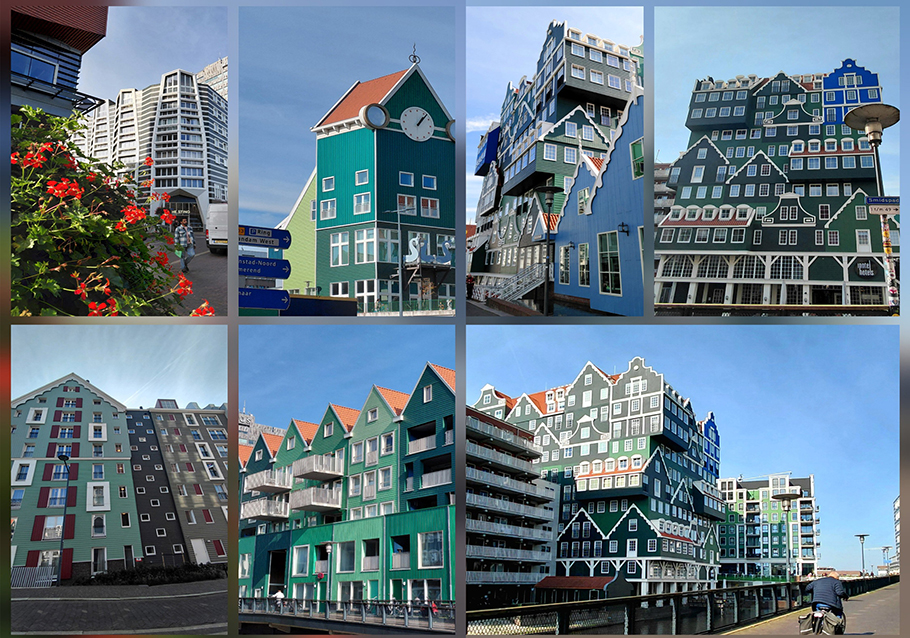
The iconic houses and windmills are the traditional architecture of Holland, and many have been moved to Zaandam from other parts of the province to create a unique outdoor museum. The very photogenic Inntel Hotel was only built in 2010, but what appears to be a randomly stacked pile of cottages is yet another homage to these distinctive homes. Most are painted the popular ‘Zaanse Groen’ shade of green but in an upper corner of the structure, one is a contrasting blue – a tribute to one of Claude Monet’s famous works. The French Impressionist was captivated by the area’s charming scenes (“enough to paint for a lifetime”) and completed The Blue House in 1871, one of the many images he painted and sketched during his four months living there.
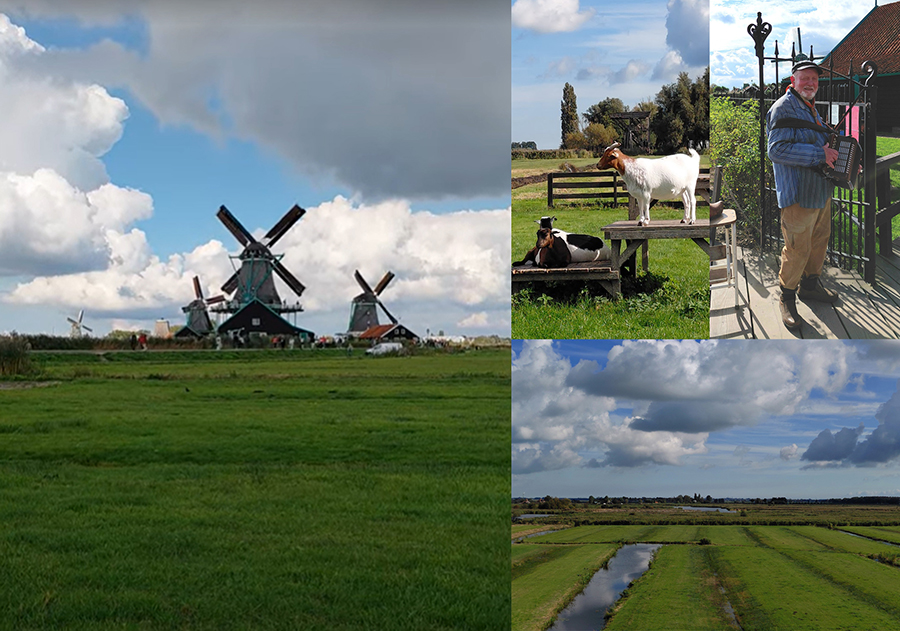
As appealing as the villagey vibe is, and especially the way Zaanse Schans replicates 18th and 19th century life in Holland, I was just as interested in the region’s water management strategies. With 27% of the country below sea level, it is naturally susceptible to flooding but thanks to a complex system of dikes, canals, levees, and pump stations, the reclaimed land is protected and the water that would swamp its lower levels is diverted to surrounding farmlands. Closed drainage pipes address water salinisation problems in coastal areas and store rainwater for subsurface irrigation in the drier months, providing an agriculturally lush solution. Although I’ve been lucky enough not to lose anything to floodwaters myself, I live in a region that has sometimes been inundated to disaster levels so find the Netherlands’ efficient and visionary ‘Live with Water’ game plan most impressive.
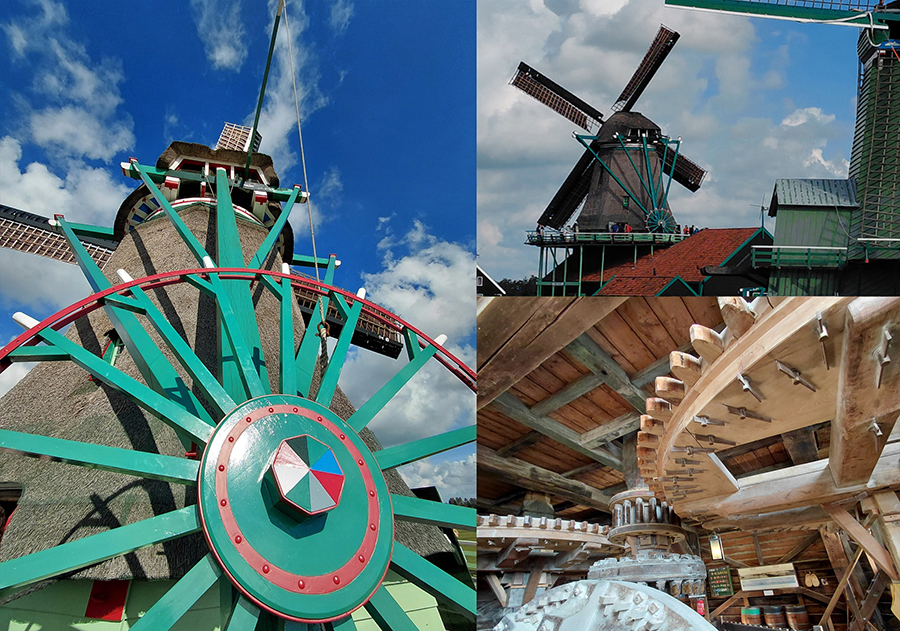
But back to the ashdrop. A windmill was always going to be the venue and Kaatmolen looked perfect. I didn’t read up on it before my self-guided walk through its levels, and assumed – because of its easy accessibility and display of artefacts – that its mechanical parts were no longer operational. Some in the area still are, but the sails on this one were quiet… and with visitors standing on the platform near them, it looked very retired. So I dropped a Brian pebble near the brake wheel and walked to the nearby spice warehouse… just as Kaatmolen’s heavy mechanics cranked unexpectedly into life and things started moving. Turns out the old girl is the world’s only remaining windmill that processes pigments for paint and dyes… and Brian gets to sit right in the guts of this unique piece of Dutch industry.
And as if the site wouldn’t win him over, there were the very amenable locals. Brian always had a chunky address book and would no doubt have met several fresh entries if he’d visited Zaandam. Everyone was a delight – my b&b hosts, the cops, street merchants, kids and family groups… they all went out of their way to ensure I was fed, watered, and found my way around with minimal stress – and didn’t get clocked unconscious by a boom gate.
One minute I was rambling across the Prins Bernhardbrug, fully loving the sights and smells of the city they call “The Larder of the Netherlands”, next I was yanked back as the large red and white safety barrier came down. The city’s soundtrack of music, bike bells, boat horns and cheery greetings was by now familiar, so maybe that’s why when the remotely operated bridge sounded the siren to warn it was opening to let larger river craft through, I just kept moseying on, oblivious. Grethe’s capable hands were not gentle and she apologised for being rough, but I’m thankful she was so diligent. There was nothing of the clichéd “arrogant Dutch” in her warm concern and by the time the roadway lowered again and traffic flow resumed, we’d discussed autism, mosaics, goats, and why she’d finally decided to leave her husband of 40 years to do pilates and travel. Then she pulled me in for an impetuous hug and waved a cheery “Doei doei!” and was gone.
Just like Holland itself – a burst of bubbly detail delivered with a genuine and unforgettable smile.